
Patch kits are a practical category for repairing small damage on outdoor gear and related supplies. Shoppers usually come to this category when they want to extend the life of an item, restore basic function, or keep a useful piece of gear in service without replacing it right away.
The main buying challenge is not whether a patch kit exists, but whether it suits the material, the kind of wear, and the expected use of the repaired item. A kit that works well for one surface or one level of stress may be a poor fit for another.
If you are comparing options for the first time, it helps to think in terms of the repair task first and the product second. That makes it easier to avoid overbuying or choosing a kit that is more complicated than the job calls for.
What should you look for in a patch kit?
The best starting point is the material you need to repair and how the item will be used after the repair. A small cosmetic fix has different needs than a repair on gear that will be folded, flexed, rubbed, or exposed to weather.
| Feature | What It Means | Why It Matters | What To Check |
|---|---|---|---|
| Material compatibility | Whether the patch is intended for the surface you need to repair | A patch that suits one material may not bond or hold well on another | Check the product page for the intended material or use case |
| Repair type | How the kit is meant to fix the damage | Different damage calls for different approaches, from covering a small hole to reinforcing a worn area | Match the kit to the size and shape of the damage |
| Bonding method | How the patch attaches to the item | Some repairs are quicker, while others are more durable or more permanent | Look for the attachment method and any curing or preparation steps |
| Flexibility | How well the repair can move with the item | Flexible gear needs a patch that can tolerate bending and folding | Consider whether the item will compress, stretch, or roll up in use |
| Finish and appearance | How noticeable the repair may be | Some buyers care mainly about function, while others want a neater-looking fix | Check size, color description, and patch shape if appearance matters |
Key decision criteria explained
Material compatibility
This is usually the most important filter. Patch kits are often chosen for a specific kind of repair surface, and a mismatch can lead to a weak repair or unnecessary frustration. Specifications vary by model, so always check the individual product page before buying.
Damage size and shape
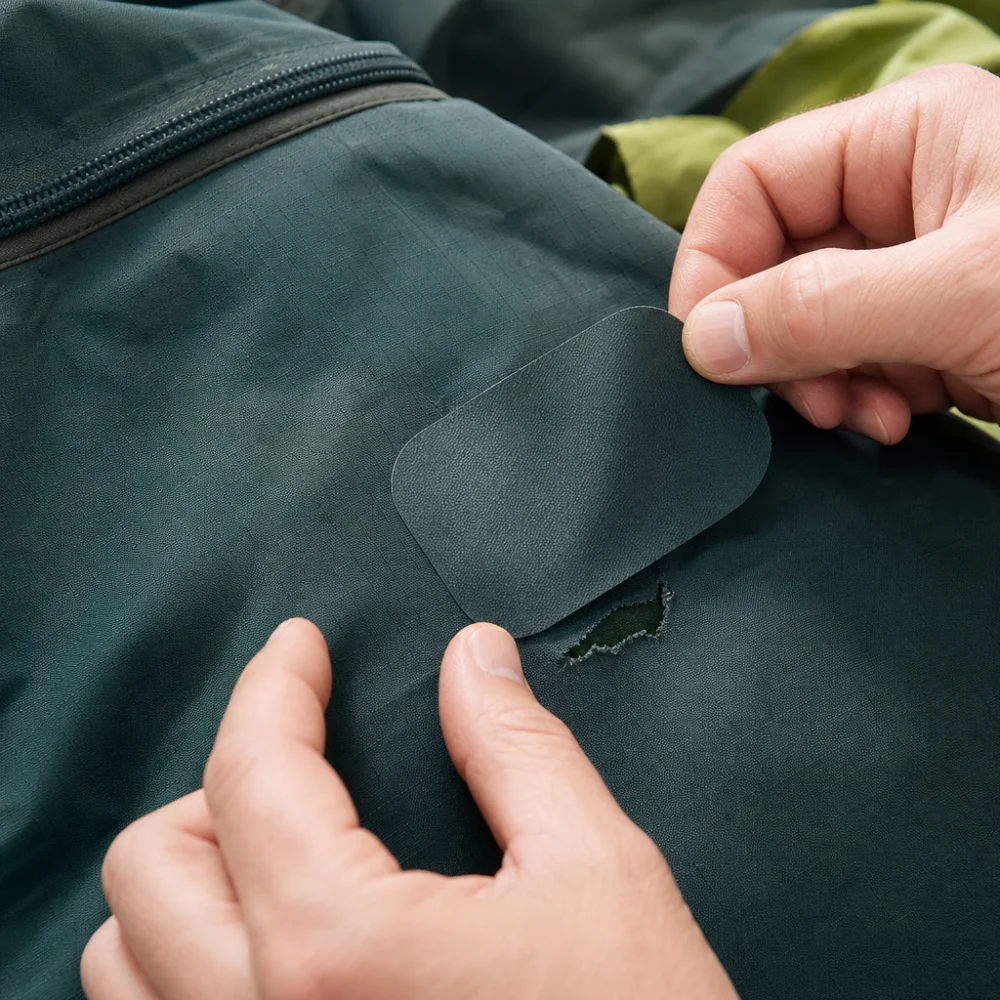
A tiny puncture, a worn spot, and a longer tear may call for different patch styles. A kit that is easy to apply can still be the wrong choice if it does not cover enough area or if the patch shape is awkward for the damage.
Durability versus convenience
Some buyers want the fastest fix possible, while others care more about how long the repair should last. A quicker patch may be fine for light-duty or temporary use, but a more involved repair may be worth it for gear that gets frequent wear.
Flexibility and movement
Outdoor gear often bends, compresses, rolls, or packs tightly. If the repaired area needs to stay flexible, check whether the patch kit is meant to move with the item rather than sit on a rigid surface.
Common patch kit types and variants
Patch kits in this category may differ by the kind of repair they are intended to make. Some are better suited to small punctures, while others are more useful for covering worn areas or reinforcing a weak spot.
Another common difference is how the patch is applied. Some buyers prefer a simpler, quicker application, while others are comfortable with a more involved process if it may produce a more dependable result.
Because this category can cover different repair needs, it is usually better to match the kit to the specific damage than to assume one patch style does everything equally well.
Which patch kit suits your situation?
| Your need | What to prioritize | What to watch out for |
|---|---|---|
| Fast, simple repair | Easy application and clear instructions | May be less suitable for demanding use or repeated flexing |
| Frequent outdoor use | Fit for the material and expected wear | A quick fix may not hold up as well under repeated movement |
| Neater appearance | Patch size, shape, and finish | A more visible patch may be acceptable if function matters more than looks |
| Longer-term repair | Durability and compatibility with the item | Longer-lasting solutions may take more preparation |
Common mistakes and misunderstandings
- Choosing by patch size alone. Size matters, but material compatibility and movement matter too.
- Assuming all repairs are permanent. Some patch kits are better understood as a practical fix, not a full restoration.
- Ignoring how the item will be used. A repair that seems fine in storage may fail sooner on gear that bends or rubs often.
- Overlooking preparation needs. Even simple repairs may depend on a clean, dry, and suitable surface.
Safety and suitability caveats
Patch kits are for repair decisions, not for guessing whether damaged gear is still suitable for every use. If the item is critical to safety, comfort, or weather protection, check the product information carefully and judge the repair conservatively.
Do not assume a patch kit can restore an item to like-new condition. A visible fix may still be perfectly useful, but the repaired item may have different limits than it did before the damage.
Maintenance, storage and lifespan considerations
The repair itself is only one part of the decision. Some patch kits are simple to store and keep on hand, while others may rely on components that should be kept sealed or protected from damage until needed.
If the item will continue to be folded, packed, or exposed to outdoor conditions, think about how the patch will age in normal use. A repair that is easy to inspect and maintain can be more practical than one that is hard to check later.
How to compare patch kits efficiently
- Identify the material and the kind of damage you need to fix.
- Decide whether you want a quick repair, a neater finish, or a more durable solution.
- Compare how each kit is meant to attach and what preparation it requires.
- Check whether the repaired item will need flexibility, repeated packing, or weather exposure.
- Read the individual product page closely before buying.
Summary buyer decision checklist
- Does the kit suit the material you need to repair?
- Is it intended for the type and size of damage you have?
- Will the repair need to flex, fold, or handle repeated use?
- Does the application method fit your comfort level?
- Are appearance, durability, and convenience balanced the way you want?
- Have you checked the individual product page for model-specific details?
Frequently asked questions
How do I know if a patch kit is right for my repair?
Start with the material and the damage. If the kit is meant for the surface you need to fix and the repair is within the kit’s intended scope, it may be a good fit. If the damage is extensive or on an item that must perform reliably, read the product details carefully before deciding.
Are patch kits meant for temporary or permanent repairs?
Either can be true, depending on the product. Some are best treated as quick fixes, while others are chosen for more lasting repairs. The key is to compare the intended use and the expected wear after the repair.
Does a larger patch always work better?
Not necessarily. A patch that is too large for the damage or the surface can be awkward to apply, especially on flexible gear. The better choice is usually the one that fits the repair area and the item’s normal movement.
Can one patch kit handle every material?
Usually not. Material compatibility is one of the most important checks because a patch that works well on one surface may not perform the same way on another. Always read the product page for the intended material or use case.
What if I want the repair to be less visible?
Look at patch size, shape, and finish rather than focusing only on function. A smaller or more color-matched patch may look cleaner, but it still needs to suit the repair and the way the item will be used.
Should I buy a patch kit before I need it?
That can make sense if you repair the same kind of gear often or want a ready option for minor damage. Just make sure the kit matches the materials and repair style you are likely to need, rather than buying a general-purpose option without checking the details.