
Camp chair replacement parts are for shoppers who want to keep a favorite chair in use instead of replacing the whole thing. The right part depends on which component failed, how the chair is built, and whether the new piece can match the original attachment points.
This guide focuses on the practical buying questions that come up when a chair needs a new arm, foot, hub, fabric panel, strap, carry bag, or other component. Because camp chairs vary a lot by frame design and brand, compatibility is usually the deciding factor.
What should you look for first?
Start with the exact part you need and then verify how it connects to the chair. The most useful choice is often the one that matches the chair’s original shape, size, material, and fastening method, even if another part looks similar at first glance. If the fit is uncertain, confirm the model details on the individual product page before buying.
| Feature | What It Means | Why It Matters | What To Check |
|---|---|---|---|
| Part type | The component being replaced, such as a frame piece, fabric section, connector, or carry accessory | Different parts solve different problems, and not every issue can be fixed with the same part | Identify the damaged part before comparing listings |
| Compatibility | Whether the part matches the chair’s design and connection points | A similar-looking part may still fit poorly or not at all | Match measurements, attachment style, and any stated model compatibility |
| Material and construction | The basic material and build style of the replacement piece | It affects comfort, durability, feel, and how the chair will function after repair | Compare fabric, metal, plastic, stitching, or hardware details on the product page |
| Repair scope | Whether the part restores one function or solves a larger structural issue | Some damage is isolated; other damage may mean more than one part needs attention | Check whether the listing covers a single part or a set of related pieces |
| Ease of installation | How straightforward it is to swap the part onto the chair | Simple replacements are easier for most buyers, while others may need careful assembly | Look for clear attachment information and any notes about tools or disassembly |
Key decision criteria explained
Exact part match
For replacement parts, the first question is usually not quality but fit. A chair leg cap, hinge piece, or fabric section may look generic and still be wrong for your chair if the attachment point or dimensions differ. Measure the original part when possible and compare that against the listing details.
How the part attaches
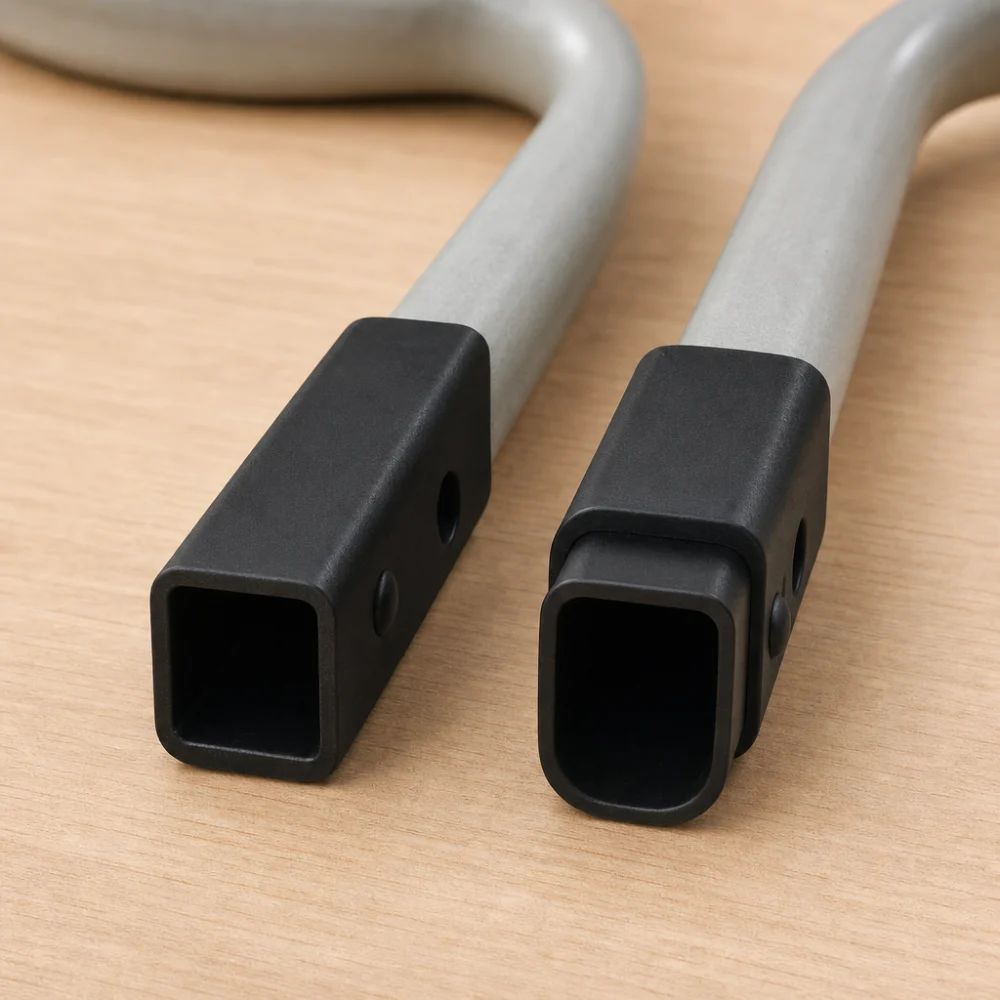
Some parts slide, clip, bolt, stitch, or thread into place. That attachment method matters as much as the visible shape because a part can appear close in photos but still fail at the connection point. If the product page does not clearly show how the part installs, treat that as a compatibility risk.
Material trade-offs
Replacement parts made from different materials may change how the chair feels or how long the repair holds up. A sturdier material can be a good idea for wear-prone areas, while a softer or more flexible material may better match the original comfort or movement. The goal is not always an upgrade; sometimes the best choice is the closest match.
Specifications vary by model, so always check the individual product page before buying.
Single-part repair versus broader fix
If one section of the chair is damaged, replacing that part can be a practical fix. But if the frame is bent, the fabric is torn in several places, or multiple joints are worn, a single replacement may not solve the whole problem. In those cases, compare whether the repair is worthwhile before focusing on one component.
Common part types and what they suit
- Frame or joint pieces: Useful when a structural connector or support point is damaged, but they require careful fit checking.
- Fabric or seat components: Helpful when the sitting surface is worn, torn, or stretched, though attachment style is critical.
- Arm or support pieces: Best when one side or support element has broken, especially if the original chair uses a distinctive shape.
- Feet, tips, or end caps: Often chosen for wear at the ground contact points, with simple fit checks usually making the biggest difference.
- Carry or storage accessories: Useful when the chair itself is fine but the bag, strap, or storage piece has gone missing or failed.
Which replacement part fits which buyer?
| Buyer need | What to prioritize | Why it helps |
|---|---|---|
| Saving a chair you already like | Closest possible fit and original-style attachment | Increases the chance that the repair feels like the original chair |
| Fixing a minor wear point | Simple, low-risk part replacement | Keeps the repair targeted instead of overcomplicating it |
| Repairing a heavily used chair | Stronger materials and careful compatibility checks | Wear tends to show up where load and movement are highest |
| Replacing a missing accessory | Size, closure type, and carry style | The part should work with the chair and still be practical to use |
Common mistakes and misunderstandings
- Buying by appearance alone: Two parts can look similar and still differ in mounting style or dimensions.
- Assuming a universal fit: Replacement parts are often more model-specific than buyers expect.
- Replacing only one worn piece when several are damaged: That can leave the chair unstable or short-lived after repair.
- Ignoring how the part is installed: A part that is hard to attach may not be the right practical choice, even if it is close in shape.
Safety and suitability caveats
Replacement parts should match the chair’s intended use and load points closely enough to avoid creating a weak repair. If a structural component is damaged, a decorative or convenience part will not address the real issue. When the listing is vague about fit, treat that as a sign to verify more carefully before buying.
Maintenance, storage, and lifespan considerations
Replacement parts usually last best when they are kept clean, dry, and stored with the chair or its original pieces. Outdoor use can expose parts to dirt, moisture, UV light, and repeated folding, so even a good replacement may wear again if the chair sees frequent use. If a part is removable, it helps to keep the original piece until the new one is confirmed to fit and function as expected.
How to compare options efficiently
- Identify the exact part that failed.
- Check how it connects to the chair.
- Compare measurements, shape, and attachment style.
- Decide whether you need a direct replacement or a broader repair.
- Read the individual product details carefully before buying.
Summary buyer decision checklist
- I know which chair part needs replacing.
- I have checked the attachment style or connection point.
- I have compared the visible shape and any stated measurements.
- I understand whether the part is structural or convenience-focused.
- I have reviewed whether the repair addresses all the damage.
- I have checked the individual product page for model-specific fit details.
Frequently asked questions
How do I know which camp chair part I need?
Start by locating the broken, missing, or worn piece and then compare it to the chair’s remaining parts. A photo of the intact side, if available, can help you compare shape and attachment points. If the part affects structure, fit matters more than general appearance.
Are camp chair replacement parts universal?
Usually not. Some accessories may work across more than one chair style, but many parts depend on the chair’s specific frame, fabric layout, or connector design. Treat universal-fit claims carefully unless the product page clearly explains the match.
Can I replace only one part if the chair has multiple issues?
Sometimes, but not always. If the problem is limited to one damaged piece, a single replacement may be enough. If the frame, fabric, and connectors are all worn, it may be better to compare the repair cost and effort against replacing the chair.
What should I compare if there are no exact model details?
Focus on shape, size, attachment style, and the role the part plays in the chair. Those details are often the best clues when the listing does not name your exact chair model. When in doubt, choose the option with the clearest fit information.
Is it worth replacing a small accessory like a foot or carry bag?
It can be, especially if the chair itself is still in good condition. Small parts are often worth replacing when they restore comfort, stability, or portability without forcing you to replace the whole chair. The main question is whether the replacement is convenient and matches the original well enough.
What if the replacement part looks close but not identical?
Close is not always close enough. A small difference in mounting point, angle, or width can keep the part from working properly. If the product page does not clearly explain the compatibility, it is safer to keep comparing options.